A voice in the savannah – a conversation with a Maasai elder. This took place in the shade of an acacia tree, some 8 kilometers from Mto wa Mbu, in Tanzania
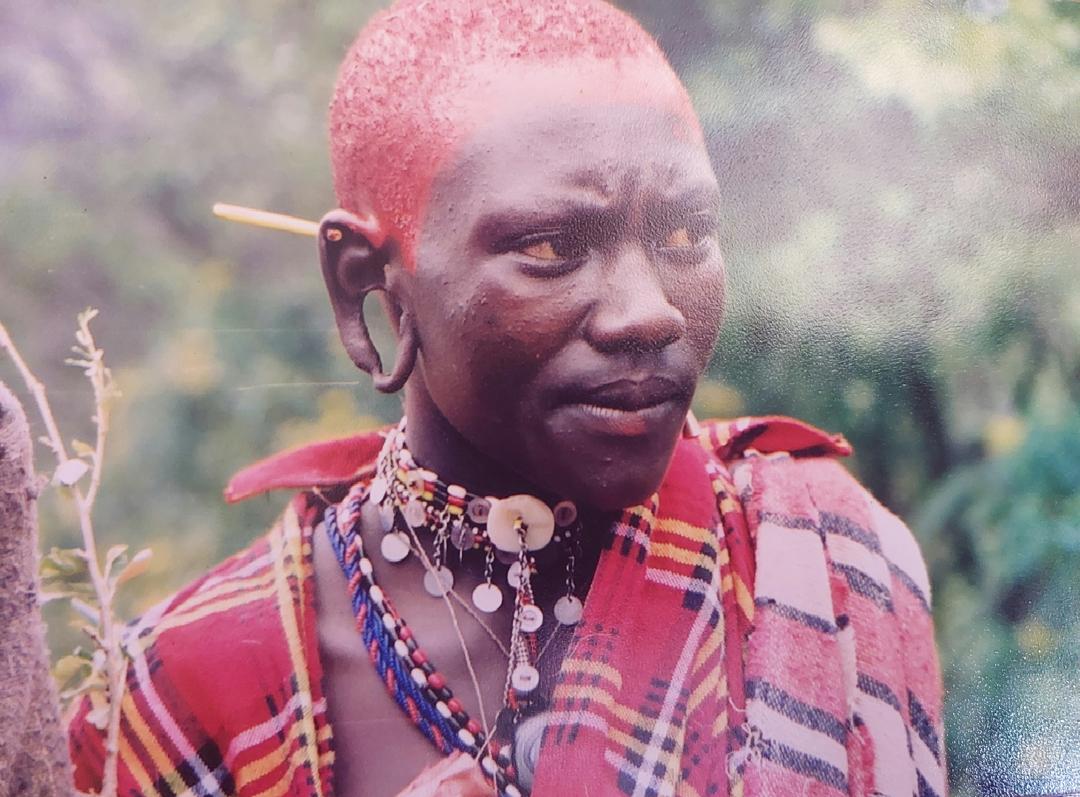
I had the opportunity to sit with District Commissioner Narong of Monduli District in Tanzania, and ask him in plain English to tell me about the lifestyle of the Maasai. Here follows a paraphrased version of our conversation:
“Narong, earlier you mentioned the importance of cattle to the Maasai. Can you explain how deeply this ties into every part of life for your people?”
“Yes. For the Maasai, cattle are life. We measure wealth in cattle, not in money. A man with many cattle is respected, and cattle are part of every ceremony — birth, marriage, and even death. They give us milk, blood, and meat. They are also used to settle disputes and as dowry in marriage”
“And what about the connection between cattle and spirituality?”
“We believe that God, Engai, gave all cattle to the Maasai. So, to us, all cattle in the world rightfully belong to us, even if they are with other people. Enkai is both a god of blessings and wrath, and cattle are His gift to us.”
“Let’s talk more about daily life. What is a typical day like for a Maasai warrior?”
“Before dawn, we rise and tend to the cattle — as the women or layoni are milking them, we are checking for sickness, leading them to graze. We spend most of the day with them. The elders and women stay closer to the manyatta (homestead), while warriors range farther to find good pasture. In the evening, we return the herds, and then we sing, dance, and sometimes tell stories around the fire.”
“You mentioned ceremonies — can you describe a major Maasai ceremony you have witnessed or taken part in?”
“The Emuratare, the circumcision ceremony, is very important. It marks the transition from boyhood to warriorhood. It’s a test of courage — the boy must not flinch or cry. There is singing, dancing, and after the ceremony, the boy becomes a moran, a junior warrior. Then he learns discipline, respect, and how to protect the community.”
“You said earlier that this ceremony involves great pain. Is there pressure on boys to hide their emotions during it?”
“Yes. If a boy cries or moves during the cutting, it is a shame to his family and to himself. The whole community is watching. It teaches us to bear pain — physical and emotional — without complaint. That is what it means to be Maasai.”
“And the role of women — can you tell me something of their responsibilities and how they are viewed in Maasai society?”
“Women are very important. They build the houses, take care of the children, milk the cows, and prepare food. A good wife is strong and hardworking. She is expected to support her husband and raise good children. But women do not have the same rights as men — they do not own cattle or make major decisions. That is our tradition.”
“Has that tradition been challenged by modern ideas, education, or contact with the outside world?”
“Yes, slowly. Some women now go to school, and there are programs encouraging girls not to marry too young. Also, some people speak against female circumcision. But change is slow. In the villages, many people still follow the old ways. They believe these customs keep the community strong and united.”
“Narong shifts in his seat, looking thoughtfully into the distance. There’s a quiet pause before he speaks again.”
“Our way of life is very much tied to the land. Our ancestors believed that we were placed on this earth by the Creator to live in harmony with nature. To the Maasai, the land is not just something to live on, it’s a living part of us. The earth and the sky, the animals and the people, are all interconnected in a sacred balance.”
I lean in, interested by the depth of what he’s saying. “Could you tell me more about how this connection to the land influences your daily life?’ I ask.”
“Narong’s eyes soften as he recalls the daily rhythms of Maasai life. ‘Every day, we wake with the sun. Before the heat of the day takes over, the cattle need to be herded to fresh grazing land. They are our wealth, and they provide us with milk, meat, and hides. The cattle are sacred to us. To a Maasai man, they are not just animals, they are a vital part of his family. If the cattle are healthy, the family is healthy.”
He pauses, as though lost in thought, before continuing. “The cattle are like a mirror of the community itself. If one cow is sick, we all feel it, because that cow represents a small part of the community’s well-being. When a Maasai man dies, his cattle are often buried with him, as they are believed to help him journey to the afterlife.”
I nod, taking in the complexity of the relationship Narong describes. “So, the cattle play a huge part in your spiritual beliefs as well? How does the community view death?”
Narong looks up, his gaze far away again. “Death is not an end for us. We believe that the spirit of the deceased continues to walk with the living. It’s a part of the natural cycle. We prepare our dead with care, ensuring that their transition is as smooth as possible. And when we hold ceremonies to honour the departed, it is done with respect for the continuity of life. The body may be gone, but the spirit remains with us.”
The mention of death brings a heavier air to the conversation. “Are there particular rituals that accompany these ceremonies?”
“Narong takes a deep breath before answering. “Yes, the most significant of these rituals is the sacrifice of an animal. This is to help the deceased find their way into the afterlife. Usually, it’s a goat, but a cow is sacrificed for high-ranking individuals. The blood of the animal is used in the rituals, as it is thought to carry the spirit. The elders of the village perform the rites, calling on the ancestors to guide the deceased.”
I feel a sense of awe as he speaks, understanding the deep reverence Maasai culture holds for the spiritual and physical aspects of life. “And how about marriage? How is that handled in Maasai culture?”
Narong smiles, a twinkle in his eye as he begins, “Marriage is very important to us. It’s not just about two people; it’s about two families coming together. In Maasai culture, the man and woman must have a proper dowry. This dowry is typically paid in cattle, and it signifies a commitment to the woman’s family. The exchange is not just a financial transaction, it’s a way to ensure the families are bound together, in good times and in bad.”
I ask, “And what role do the women play in Maasai society?”
Narong’s expression shifts slightly, as though reflecting on the complex dynamics of gender roles. “Women are the backbone of Maasai society. They are the ones who take care of the household, the children, and the livestock. They are the keepers of the home, ensuring that everything runs smoothly. A man may be the one who herds the cattle, but it’s the woman who milks the cows, makes the food, and keeps the home in order. It’s a partnership, with each person contributing in their own way.”
I am curious to know more about how these roles are passed down. “How do children learn about these responsibilities?”
Narong chuckles softly, “Children learn from an early age. From the moment they can walk, they are part of the work. Boys help their fathers with the cattle, and girls learn to care for the home and the younger siblings. This is how we pass on our knowledge. It’s not something that is taught in schools—it’s learned through action, through doing.”
As he speaks, I feel a sense of connection to this ancient culture, one that thrives on generations of tradition. “And what about the spiritual practices, Narong? Are there any rituals or beliefs that guide your daily life?”
Narong’s face becomes more serious. “Yes, spirituality is at the heart of everything we do. Every morning, we give thanks to Engai, the Creator. We offer prayers, and we make sacrifices to the earth. We also believe in the power of the spirits of our ancestors, who guide us in our decisions. We hold ceremonies to honour them and ask for their wisdom.”
I am fascinated by the depth of Maasai spirituality. “Are there certain rituals for different stages of life?”
Narong nods. “Yes, we have many rituals. For instance, circumcision is an important rite of passage for both boys and girls. It marks the transition from childhood to adulthood. For boys, this is done at a certain age, and it signifies that they are now ready to take on responsibilities in the community. For girls, it is part of their initiation into womanhood.”
“I feel the weight of his words. ‘Is circumcision painful?’ I ask cautiously.
Narong nods, his expression unchanged. “Yes, it is painful, but it is a necessary part of our culture. It is believed that the pain purifies the person, prepares them for the struggles of adult life, and marks their transition into a new stage of being.”
The conversation is heavy with the gravity of tradition, and I sense that Narong’s words carry a deep respect for these rituals. “So, these rites of passage are very much about community?”
Narong agrees. “Exactly. Everything in Maasai life revolves around the community. A man does not live for himself, nor does a woman. We live for the village, for the elders, for the young ones. The health of the community, spiritually and physically, is what matters most.”
I take a moment to reflect on all that Narong has shared. “And where do you see the Maasai people in the future?”
Narong’s eyes narrow slightly as he thinks. “The world is changing quickly. There are many pressures on us, especially from outsiders who don’t understand our way of life. But we are resilient. Our ancestors survived wars, famine, and colonization. We will continue to adapt while holding on to what is most important—our land, our cattle, and our culture.”
As the conversation winds down, I realize how much Narong’s insights have deepened my understanding of Maasai life. What I’ve learned from him, I will carry with me, a reminder of the strength, unity, and deep spirituality that define the Maasai people.
 FROM THE EAST END TO EAST AFRICA - Copyright: Steven James Foreman.